
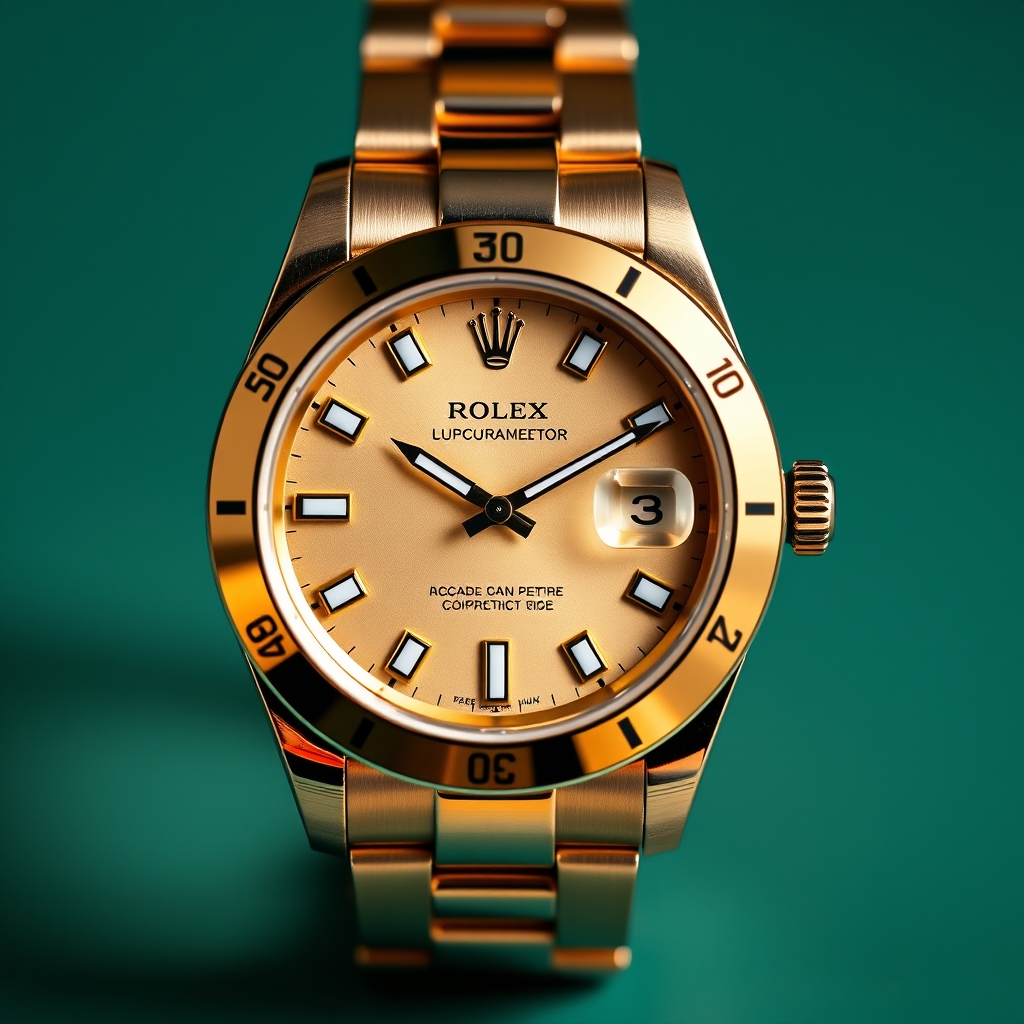
Rolex Giveaways UK: Are Watch Competitions Worth It in 2026?
Scroll through any UK competition site for more than a minute and you'll hit a Rolex Submariner or a diamond tennis bracelet sitting next to the cars and the cash jackpots. The ticket price looks tiny next to the prize value, which is exactly why watch and jewellery draws have become one of the fastest-growing categories on sites like BOTB, RevComps and dozens of smaller independents. We've gone through how these draws actually work, what they cost, and where the real catches sit, so you can decide if a tenner on a Rolex is a sensible flutter or just a shiny distraction.
What Are Watch and Jewellery Competitions, Exactly?
They're prize draws where the headline item is a luxury watch or jewellery piece instead of a car or cash pot, run under the same skill-question and free-entry rules as any other UK competition. A site lists a Rolex, Patek Philippe, Cartier bracelet or similar, sets a ticket price, caps the number of entries, and usually asks a simple multiple-choice question to keep the draw classed as a game of skill rather than pure chance gambling.
The mechanics don't differ from a car giveaway. You pick a number, answer the qualifying question, and wait for the draw date or for an instant-win reveal if the site runs that format. Some operators sell Rolex tickets as standalone competitions; others bundle a watch in with a wider £ jackpot, so the watch becomes a secondary prize alongside cash.
What does differ is how the prize is valued and delivered. A car has a registration plate and a dealer invoice anyone can check. A watch's resale value moves with the secondhand market, and authentication matters far more, since a boxed, papered Rolex from an authorised dealer is worth considerably more than a grey-market equivalent. That single difference is why due diligence on watch competitions needs a slightly different checklist to the one you'd run on a car or cash draw.
Are Rolex Giveaways Actually Legit?
Most are legitimate prize draws, but 'legit' depends entirely on whether the operator discloses the model, box and papers status, and a genuine delivery method. UK prize competition law doesn't require a licence the way gambling does, provided there's a free postal entry route and a skill element, so plenty of small, unregulated sites can legally run a Rolex draw with very little oversight.
That doesn't make them scams by default. It means the burden sits on you to check the basics before you buy a ticket. We look for a clearly stated watch reference number, confirmation of whether it comes with original box and papers, a company number on Companies House, and genuine past winners you can actually verify rather than stock photos.
A site that's cagey about any of those details, or that only shows a generic stock image of 'a Rolex' rather than the specific reference being given away, is a weaker bet than one that photographs the actual watch with its serial area blurred for security. We've written separately about the free postal entry legitimacy check that applies across every prize category, and it's worth running through that list specifically before entering a jewellery draw, since the stakes of a disputed high-value item are higher than a £50 cash prize.
How Much Does a Rolex Competition Ticket Usually Cost?
Ticket prices for watch draws typically sit anywhere from under £1 to around £10, depending on the watch model and how many tickets the site plans to sell. A site giving away a steel Rolex Datejust worth a few thousand pounds will usually sell a far larger number of cheaper tickets, while a rarer piece like a Daytona or a vintage dress watch might be sold in smaller batches at a higher price per entry.
The maths that matters isn't the ticket price in isolation, it's the ticket price multiplied by the total number of tickets the site intends to sell, set against the watch's genuine market value. If a site caps entries at a number where total ticket sales would comfortably exceed the watch's resale price several times over, that tells you the operator is running the draw as a profitable business, which is completely normal and not a red flag on its own, but it's useful context for working out your actual odds.
We'd always rather see a published maximum ticket number than an 'unlimited until we decide' model. If the total is uncapped or unclear, you genuinely cannot work out your odds, and that's the single biggest practical difference between a well-run watch competition and a vague one. Our guide to working out your real chances walks through the sums if you want to run them yourself before buying in.
What's the Real Value Behind a Rolex Prize?
The advertised value is usually the retail price, but a Rolex's real worth depends heavily on model, condition, and whether box and papers are included. Steel sports models like the Submariner or GMT-Master II often sell on the secondhand market for close to, or even above, their official retail price because demand outstrips supply at authorised dealers. Other models, particularly older or less sought-after references, can be worth noticeably less secondhand than the figure quoted on a competition site.
This matters because a site advertising 'a Rolex worth £9,000' is quoting a retail or insurance valuation, not necessarily what you'd get if you sold it the next day. If you win, your realistic options are to keep the watch, sell it through an authorised dealer or reputable secondhand platform, or in some cases take a cash alternative if the site offers one. Selling privately carries its own risks around authentication and buyer trust, so factor that into how 'valuable' the prize really is to you personally.
We'd also flag that jewellery prizes, particularly diamond pieces, are harder to value precisely than watches, because gemstone grading varies and most competition sites don't publish a certification report alongside the item. A watch at least has a model reference and a traceable market price; a 'diamond necklace worth £5,000' with no further detail is a much softer claim to verify.

How Do Watch Competition Sites Compare on Transparency?
Transparency varies a lot between sites, and the clearest tell is whether they show the exact watch reference, box and papers status, and a capped ticket number. We looked at how different types of competition site typically present a Rolex or jewellery prize and compared the detail level against what we'd expect from a car or cash draw on the same platform.
| What to check | Stronger watch competitions | Weaker watch competitions |
|---|---|---|
| Prize description | Exact reference number, box/papers stated, photo of the actual item | Generic stock photo, vague 'a Rolex' description |
| Ticket cap | Published maximum number of tickets for sale | No stated limit, or limit changes mid-draw |
| Cash alternative | Offers a lower cash option alongside the watch | Watch-only, no alternative mentioned anywhere |
| Past winners | Named winners with verifiable draw footage or social proof | No visible winner history for jewellery prizes |
| Company details | Companies House number, UK address, clear terms page | No company number, contact only via social media |
None of this means every site on the weaker side of that table is dishonest, but it does mean you're relying on more trust and less evidence. Sites that run watch draws as one category among cars, tech and cash tend to apply the same transparency standards across the board, so if their car draws are well documented, their Rolex draws usually are too. We've covered how operators like BOTB and RevComps handle this across categories in our comparison of major UK competition sites, and the same checklist transfers directly to jewellery and watch listings.
What Are the Risks of Entering Watch and Jewellery Draws?
The main risks are authentication disputes, unclear odds, and the site simply not having the watch it's advertising at the time you buy your ticket. Because watches and jewellery are harder to independently verify than a car's registration or a cash balance, there's slightly more room for a less scrupulous operator to overstate condition, model rarity or even ownership of the actual piece before the draw closes.
There's also a financial risk if a competition operator goes under before paying out. UK consumer protection here works similarly to other online purchases: if you paid by card, Section 75 protection may give you a route to a refund if the operator collapses before delivering the prize, though this depends on the payment method and the specifics of your case. It's worth understanding that protection before you spend any meaningful amount on a single high-value jewellery draw, rather than finding out about it after something's gone wrong.
A more everyday risk is simply overspending because the prize feels glamorous. A £9,000 watch is an exciting headline figure, but it doesn't change the basic maths of a prize draw: you're paying a small, fixed amount for a small, calculable chance at a prize, not making an investment. Treat watch competitions the same way you'd treat any other discretionary spend, and keep it to money you're comfortable not seeing again.
Is There a Free Entry Route for Rolex Competitions?
Yes, UK law requires a free postal entry route for prize competitions that charge a ticket price, and Rolex and jewellery draws are no exception. Reputable sites publish a postal entry address and the exact question or skill element in their terms and conditions, usually in a section labelled something like 'free entry route' or 'no purchase necessary'.
The process is simple in principle: you write your answer, name, address and contact details on a postcard or plain sheet of paper and post it to the address given, within the stated deadline, and you're entered into the same draw as paying customers with an equal chance of winning. In practice, few people use this route for high-value jewellery draws, partly because postal entries can be harder to track and partly because the appeal of these competitions is the instant, low-friction online purchase.
If you do want to enter for free, check the terms closely for any limit on postal entries per household or per draw, since some operators cap how many free entries they'll accept from a single address. We've broken down exactly how this works, including common pitfalls, in our dedicated piece on checking a free postal entry route is genuine, and the same rules apply whether the prize is a Rolex, a car or a cash jackpot.
How Do Watch Giveaways Compare to Cash Alternative Prizes?
A watch prize usually carries a higher headline value than an equivalent cash prize on the same site, but cash is simpler to receive, value and spend. Operators can often advertise a watch at retail value while their actual cost to acquire it, particularly for in-demand steel sports models, may be lower if they've bought through trade channels, which is one reason watch prizes can look disproportionately generous compared with a straight cash equivalent at the same ticket price.
From a winner's perspective, cash has no authentication step, no shipping or insurance arrangement, and no question about resale value. A watch needs secure delivery, ideally insured and tracked, and if you want to sell it, you'll need to find a buyer willing to pay close to the value you were promised, which isn't always straightforward outside authorised dealer networks.
This is why some sites offer a cash alternative alongside a watch prize, letting the winner choose between taking the item or a lower fixed cash sum instead. If you're drawn to a Rolex competition mainly because of the eye-catching value, it's worth checking whether that cash alternative exists and roughly what it's set at, since it tells you how the operator itself values the watch beyond the marketing figure. You can browse current options across prize types, including straightforward cash competitions, if a guaranteed cash figure appeals more than the logistics of winning jewellery.
Are Rolex Giveaways Worth Entering in 2026?
They're worth entering if you treat them as a modest, capped-spend flutter on a well-documented draw, and skip them if the listing is vague about the watch, the odds, or the cash alternative. There's nothing inherently riskier about a watch competition than a car or cash one, provided the operator is transparent about the exact prize, publishes a sensible ticket cap, and gives you a working free entry route.
What we'd avoid is choosing a watch competition purely because the headline value looks bigger than a cash draw at the same ticket price. Compare the listing against the checklist we've run through here: exact reference and photo, stated box and papers status, published maximum tickets, visible past winners, and a genuine company behind it. If a site ticks those boxes, a Rolex draw is a perfectly reasonable way to spend a few pounds for fun, alongside your usual mix of cash, tech and free-entry competitions.
If you'd rather start with something lower-stakes while you get a feel for how a particular operator runs its draws, our free competitions section is a good place to test the water before committing money to a jewellery listing. Whatever category you choose, keep spending within what you'd be comfortable losing, and remember these are prize draws, not a financial plan.