
Cards, PayPal or Apple Pay: Best Way to Pay (2026)
You've picked your ticket, added it to the basket, and now the checkout page is asking how you'd like to pay. Debit card, credit card, PayPal, Apple Pay — the options look interchangeable, but they're not. The method you pick changes how quickly you get a refund, how much protection you have if something goes wrong, and how easy it is to keep your spending under control.
Which payment methods do UK competition sites actually accept?
Most UK competition and instant-win sites accept debit cards, credit cards and PayPal as standard, with Apple Pay and Google Pay appearing on a growing number of checkouts but still not universal. When we checked checkout pages across a range of leading sites, Visa and Mastercard debit were accepted everywhere, credit cards were accepted almost everywhere, and PayPal was close behind. Apple Pay showed up less consistently — it tends to depend on whether you're browsing in Safari on an Apple device, or whether the site has built in a dedicated wallet button at all.
Some sites also offer bank transfer or Klarna-style buy-now-pay-later options for bundle purchases, though these are less common for single ticket entries. A smaller number still run older payment processors that only support cards, with no digital wallet option at all. If a specific payment method matters to you, the quickest way to confirm support is to go as far as the checkout page without entering card details — most processors display accepted logos (Visa, Mastercard, PayPal, Apple Pay) before you commit.
On our cash competitions, we accept major debit and credit cards and PayPal at checkout, and every paid entry route sits alongside a free postal entry alternative, as UK law requires for prize draws of this kind.
Is paying by card or PayPal safer on a competition site?
Both are safe when used on a legitimate, UK-registered site, but they protect you in different ways and at different financial thresholds. A debit card gives you access to the chargeback scheme run by Visa or Mastercard, which lets your bank try to claw back a payment if goods or services weren't provided as described — but chargeback is a voluntary scheme, not a legal right, and claims typically need to be raised within 120 days of the transaction.
A credit card adds a second layer: Section 75 of the Consumer Credit Act 1974 makes your card provider jointly liable with the retailer for purchases between £100 and £30,000, which is a genuine legal right rather than a goodwill scheme. For a single competition ticket under £100 this rarely applies, but if you're buying a bundle of entries that pushes the total over that threshold, a credit card gives you stronger legal footing than a debit card.
PayPal sits differently again. Its Buyer Protection policy is PayPal's own contractual promise, separate from your bank, and it covers items "not as described" or "not received" — categories that map awkwardly onto a digital prize draw entry, since you do receive the entry itself. In practice, most reputable sites resolve payment disputes directly with the customer long before a PayPal or bank claim becomes necessary, which is one of the reasons checking a site's refund policy before you pay matters more than which button you click.
Does Apple Pay actually work on UK competition sites?
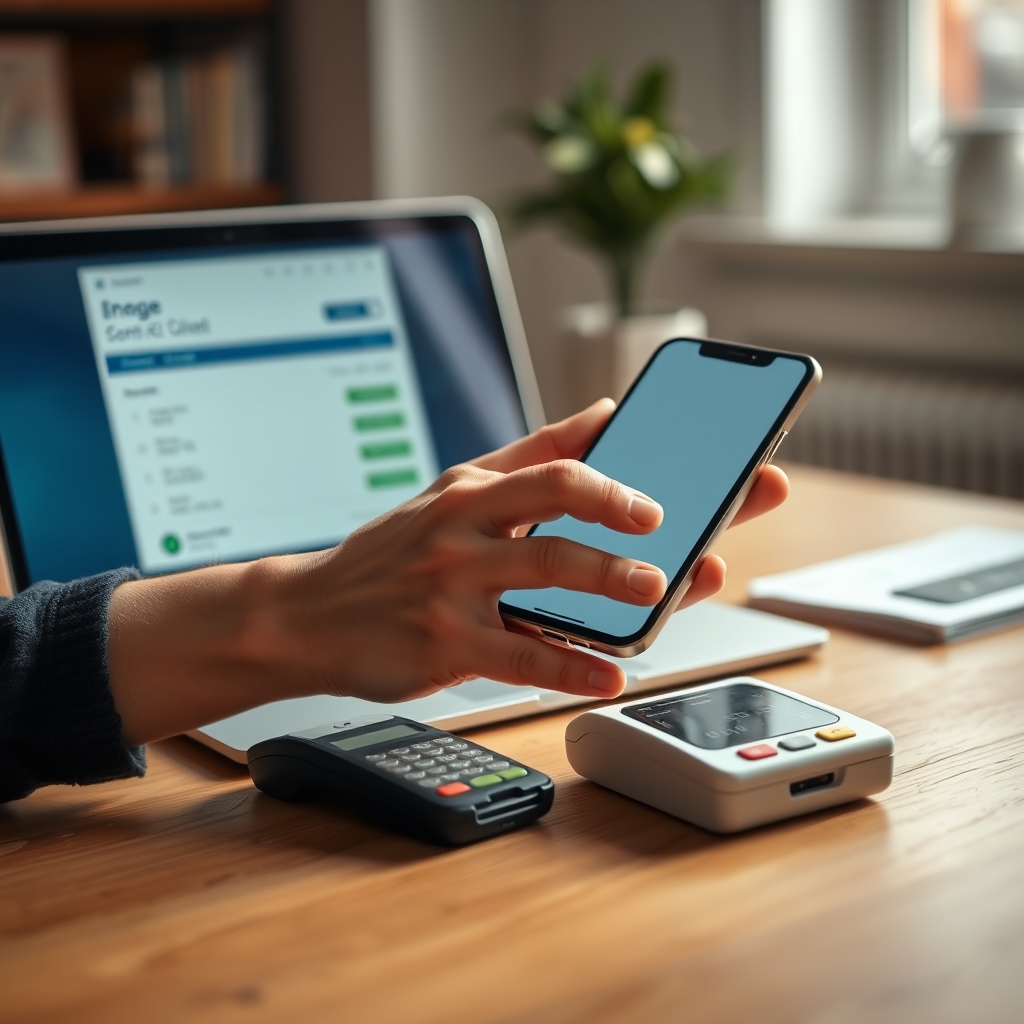
Apple Pay works on a meaningful minority of UK competition sites, mostly on mobile Safari or in-app, and it brings genuine security advantages over typing in card details directly. Apple Pay doesn't send your actual card number to the merchant. Instead it generates a one-time device-specific token for each transaction, so even if a site's payment page were compromised, there's no stored card number to leak.
The catch is availability. Apple Pay needs the merchant's payment processor to have specifically integrated Apple's SDK or button, and plenty of smaller or older competition sites simply haven't done that work. We've also seen inconsistency within the same site — Apple Pay showing up on the mobile checkout but not the desktop one, or vice versa, because the two were built on different front-ends at different times.
If you're on an iPhone and Apple Pay is offered, it's a reasonable default choice: it's fast, it doesn't require you to find your physical card, and the tokenisation genuinely reduces your exposure if a site is ever breached. Google Pay works on the same tokenisation principle for Android users, though it appears on UK competition checkouts even less often than Apple Pay at the time of writing.
Why do some sites charge extra for paying by card?
A minority of sites still pass on a small card processing surcharge, usually on credit cards rather than debit, even though this practice is tightly restricted under UK consumer law. Since January 2018, UK regulations under the Payment Services Regulations have banned surcharges on consumer debit and credit card payments for most retail transactions, including online purchases. A legitimate UK competition site should not be adding a percentage fee purely for choosing to pay by Visa or Mastercard.
Where you will still see price differences is between payment tiers built into the product itself — for example, a site charging slightly more for a 'premium' checkout experience, or bundling in loyalty points that effectively change the per-ticket cost depending on how you pay. That's a pricing decision, not a surcharge, and it should be disclosed clearly on the ticket page rather than appearing as a surprise at checkout.
PayPal's own merchant fees are paid by the business accepting the payment, not by you as the customer, so you shouldn't see a PayPal-specific premium either. If you do spot a card surcharge on a UK competition checkout, treat it as a warning sign worth querying directly with the operator, since it suggests the site either isn't following current payment regulation or is using a processor based outside standard UK compliance frameworks.

What protection do you get if a competition site goes bust or refuses a refund?
Your strongest protection comes from the payment method itself rather than from any promise made on the competition site's own terms page. If an operator stops trading or simply refuses to engage with a refund request, you're relying on your card issuer's chargeback process or PayPal's dispute resolution, not on goodwill.
For card payments, the first step is always to contact the site directly and keep a written record of the request and any response. If that goes nowhere within a reasonable period, your bank can usually open a chargeback case, and you'll typically need the transaction date, amount, and a brief description of what you ordered versus what happened. For PayPal payments, you raise a dispute directly through your PayPal account within the Resolution Centre, and PayPal mediates between you and the seller before escalating to a formal claim if needed.
We've written in more detail about how the standard cooling-off period and ticket refund rules work for UK competition sites, since the Consumer Contracts Regulations give you certain cancellation rights separate from your payment provider's own process — and knowing both routes matters if one of them stalls.
Should you ever use a credit card to buy competition tickets?
A credit card can make sense for the Section 75 protection it offers on larger purchases, but it is not a tool for stretching your budget further than you'd planned. If you're buying a single £5 or £10 entry, the protection difference between debit and credit is largely academic, since Section 75 kicks in properly above £100 and chargeback is available on both card types regardless.
Where a credit card earns its place is on larger bundle purchases, subscription-style entry packages, or anything that nudges your total spend for the transaction above that £100 threshold, because that's where the legal joint liability with your card provider becomes meaningful if a dispute ever arises. Outside of that, the choice is really about cash flow rather than protection.
We'd flag one thing clearly: competition entries should always come from money you've budgeted to spend, not from available credit you're hoping to pay off later. These are prize draws, not an investment and not a guaranteed return, and spreading entries across a credit card because the limit allows it is a pattern worth noticing in yourself before it becomes a habit. If you ever feel your spending on competitions is creeping beyond what you'd planned, tools like card spending notifications or a simple monthly entry budget are more useful than switching payment method.
How fast are refunds with each payment method?
PayPal refunds are usually the quickest to appear, card refunds depend heavily on your bank's own processing time, and Apple Pay refunds follow whatever underlying card was linked to the wallet. A PayPal refund issued by the merchant typically shows in your PayPal balance within minutes to a few hours, and from there it either stays in your PayPal balance or transfers to your linked bank account on its usual schedule.
Card refunds go through a longer chain: the merchant's processor issues the refund, your card network routes it, and your bank then has to post it to your account, which commonly takes three to ten working days depending on the bank and whether it was debit or credit. We've seen some UK high street banks post card refunds within 48 hours and others take the full ten working days for what looks like an identical transaction type, so patience is genuinely part of the process here.
Apple Pay doesn't have its own separate refund rail — because every Apple Pay transaction is tokenised against an underlying debit or credit card, the refund simply follows that card's normal timeline. In other words, choosing Apple Pay for speed of entry doesn't buy you speed of refund; it's the card behind it that decides that.
| Payment method | Consumer protection | Typical refund speed | Best for |
|---|---|---|---|
| Debit card | Chargeback scheme (voluntary, via your bank) | 3-10 working days | Everyday single-ticket entries |
| Credit card | Section 75 legal protection above £100, plus chargeback | 3-10 working days | Larger bundle purchases |
| PayPal | PayPal Buyer Protection and Resolution Centre | Minutes to a few hours once issued | Fast disputes and refund tracking |
| Apple Pay | Follows the linked card's protection level | Follows the linked card's timeline | Quick, secure mobile checkout |
Which method makes it easiest to track your competition spending?
PayPal and card statements both give you a running record, but PayPal's dedicated activity feed makes it noticeably easier to see competition spending as its own category. Because PayPal shows every transaction with the merchant name, date and amount in one scrollable list, it's simple to filter back through a month and add up exactly how much went on competition entries versus everything else you use PayPal for.
Card statements technically contain the same information, but they're mixed in with every other debit and credit transaction you make that month, and merchant names on bank statements are sometimes abbreviated or unclear, which makes a quick mental tally harder. Some banking apps now let you tag or categorise spending, which closes this gap somewhat, but it requires you to set that up rather than it being automatic.
If staying on top of your monthly spend matters to you — and it should, since these are prize draws and not a source of guaranteed income — a simple habit that works regardless of payment method is keeping a basic running total in a notes app each time you enter, rather than relying on retrospectively totting up a statement at month-end. Separating competition spending into its own payment method, such as using PayPal only for entries and your main card for everything else, is a low-effort way to make that tracking almost automatic.
Does the free postal entry route change which payment method matters?
The free postal route sidesteps the payment question entirely, which is exactly why UK law requires it to sit alongside every paid entry option. Under the rules that separate genuine prize draws from unlicensed lotteries, any UK competition site offering paid entry must also offer a reasonably accessible free method of entry with an equal chance of winning — typically a postcard sent by second-class post with your details.
Because the postal route doesn't involve a payment method, there's no card, PayPal or Apple Pay transaction to track, no chargeback to consider and no refund timeline to worry about. What it does involve is making sure your entry actually meets the stated rules — correct details, sent to the right address, within the entry window — since a postal entry that doesn't comply with the terms simply won't be valid.
We've covered exactly how to use this route properly, including what information operators typically require and how to avoid the most common mistakes, in our guide to the free postal entry route for UK prize draws. If you'd rather avoid payment methods altogether for a particular draw, that route exists precisely so you can — it just takes a bit more planning than clicking a checkout button.
How do winnings get paid out, and does that depend on how you paid to enter?
How you pay to enter and how you get paid if you win are usually two separate processes, and most sites pay cash prizes by bank transfer regardless of your original payment method. This surprises some winners who expect a refund-style reversal back onto their card or into PayPal, but bank transfer is the standard route because it requires the operator to confirm your identity and account details directly — a step most sites fold into standard know-your-customer checks before releasing a cash prize.
Those checks typically ask for proof of identity and proof of the bank account the funds are going to, which is standard practice across the industry rather than something specific to any one site, and it exists to prevent fraud and comply with money laundering regulations. We've written a full breakdown of how this process works in our piece on KYC checks and cash payouts on UK competition sites, which is worth reading before you enter a high-value cash draw so the request for ID doesn't catch you off guard later.
Non-cash prizes, like tech or holidays, follow a different fulfilment process entirely and don't touch your payment method at all — they're arranged directly with the winner once identity is confirmed. Either way, the payment method you used to buy your ticket has effectively finished its job once your entry is confirmed; it has no further bearing on how a prize, cash or otherwise, reaches you.
Which payment method do we actually recommend?
For most people buying single tickets or small bundles, PayPal offers the best balance of speed, dispute handling and spending visibility, with Apple Pay a close second where it's available and a linked debit card sits behind it. We're not saying cards are a worse choice — millions of competition entries are bought on debit and credit cards every week without issue — but if you're choosing purely on convenience and protection, PayPal's combination of a dedicated Resolution Centre and fast refund turnaround gives it a practical edge.
If you're making a larger one-off purchase, such as a bundle that pushes your spend past £100, paying by credit card specifically for the Section 75 protection is worth the small extra step of finding your card rather than using a saved debit card or wallet. And if you're on an iPhone and a site offers Apple Pay at checkout, it's a sensible default for everyday entries purely because of the tokenisation security, even though its refund speed is no faster than the card behind it.
Whichever method you choose, the decision that matters more than cards versus PayPal versus Apple Pay is choosing a legitimate, UK-compliant site in the first place — one that clearly states its refund policy, discloses its free postal entry route, and doesn't add card surcharges it isn't legally allowed to charge. Browse our current cash prize draws or check the instant win games on offer, and you'll see exactly this kind of payment transparency at checkout before you commit a single pound.