His & Hers Car Giveaways: Why Sites Give Away Pairs
Scroll through any UK car competition site for more than a minute and you'll spot it: two cars, usually a matching colour, usually one slightly sportier than the other, bundled together under a banner reading something like 'His & Hers'. It looks like a marketing flourish. It's actually a deliberate structural choice that changes how the draw is priced, who enters and what you're really buying a ticket for.
What exactly is a 'his & hers' car giveaway?
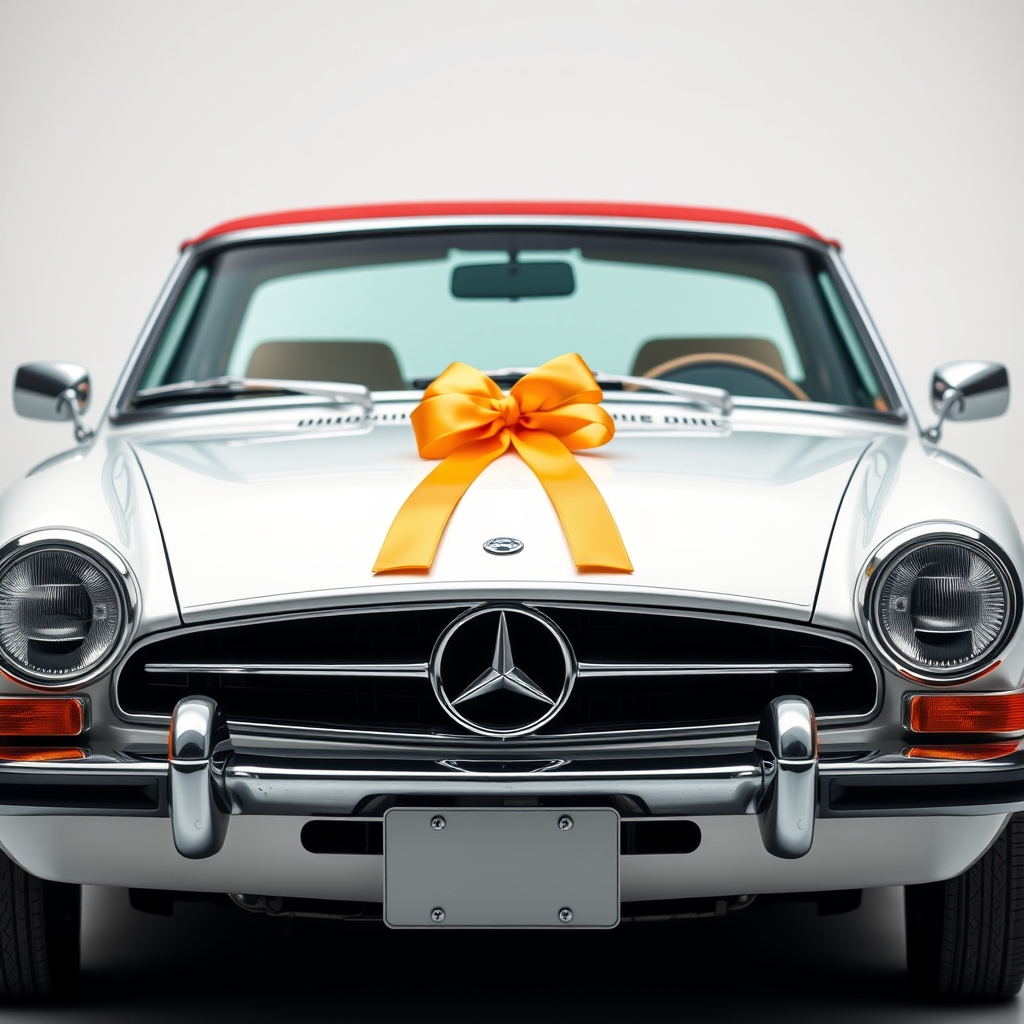
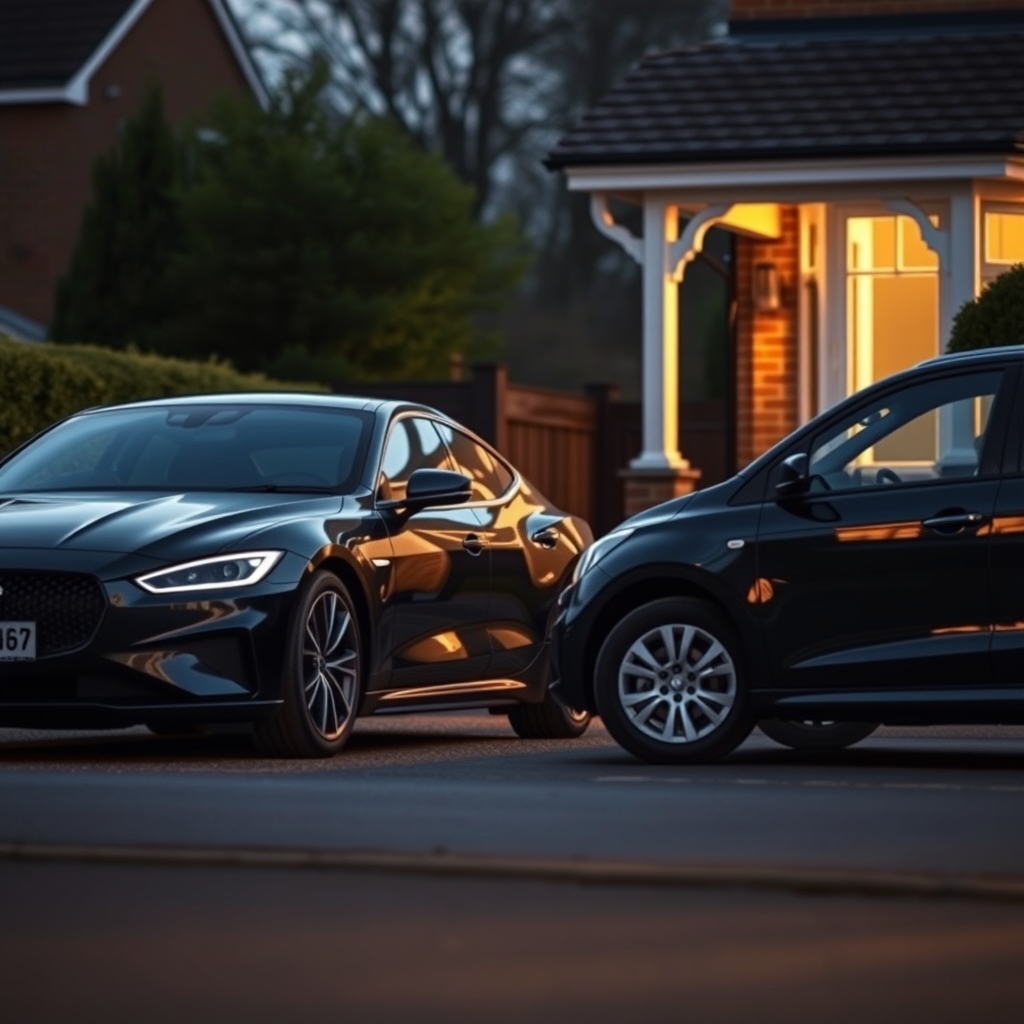
A his & hers giveaway is a single prize draw that awards two cars to one winner, usually a matched pair chosen to appeal to a couple or household rather than one individual. You'll typically see a performance coupe paired with a smaller hot hatch, or two versions of the same model in different trims or colours, like a black and a white Range Rover Evoque, or a pair of Mini Coopers.
The winner takes both cars, not one or the other. That's an important distinction from a 'his or her choice' draw, where the winner picks a single car from two or more options. Some sites blur the wording, so it's worth reading the small print on the specific promotion before you assume you're playing for a pair.
We've seen the format used by several UK car competition operators over the past few years, generally timed around Valentine's Day, wedding season or Christmas, when the 'couple's prize' framing does more work in the marketing than at any other point in the calendar. It's not a new mechanic, but it's become more common as the market has got more competitive and operators look for a hook that a single-car draw doesn't give them.
If you're trying to work out whether a specific his & hers promotion is worth your money, the same checks apply as to any UK car competition: who's licensed to run it, how tickets are capped, and what the free postal entry route looks like.
Why do UK competition sites pair up two cars instead of one?
Pairing two cars lets a site advertise a bigger total prize value without necessarily raising the ticket price much, because it widens the draw's appeal to two people instead of one. A single Porsche draw appeals mostly to car enthusiasts. A Porsche-and-a-runaround draw appeals to that same enthusiast plus their partner, which the marketing leans on hard.
From a sales perspective, the pairing also justifies a headline prize value that sounds more impressive. '£90,000 of cars' reads better than '£60,000 car', even if the second car only adds a modest amount to that total. Competition sites are, first and foremost, selling tickets, and a bigger number at the top of the page sells more of them.
There's a cost-management angle too. Buying two mid-range cars from a dealer fleet deal can sometimes work out more predictable for an operator than sourcing one very high-spec single car, particularly if the operator already has a supply relationship for a specific manufacturer. We can't see operators' wholesale pricing, so we're describing the likely mechanism rather than claiming to know exact margins on any named site.
Finally, pairing taps into gifting psychology. A 'win a car for you and one for them' framing positions the ticket as something you buy on behalf of a relationship, not just yourself, which is a different purchase decision to a solo-prize raffle. Whether that's worth paying for depends entirely on whether you'd actually want two cars, or whether you'd rather see that same prize pot offered as a cash alternative.
Which sites currently run his & hers style giveaways?
Several established UK car competition sites have run paired-car draws at different points, usually as a limited promotion rather than a permanent fixture. It's not the default format for any major operator we've looked at; it tends to appear seasonally and then disappear again once the draw closes.
Sites that focus heavily on car prizes, including those we've reviewed like Dream Car Giveaways, have run twin-vehicle promotions where two cars are presented as a matched set. Other operators run similar formats under different names, such as 'couple's draw' or 'twin prize'. The branding varies but the underlying mechanic, one winner, two cars, free postal entry available, stays broadly the same.
Because the format rotates in and out of use, the best way to check whether a specific his & hers draw is live right now is to look at the operator's current competitions page rather than relying on an old screenshot or a review written months earlier. Draw details, closing dates and ticket allocations change constantly in this market.
It's also worth noting that his & hers draws are a car-competition phenomenon specifically. You won't see the equivalent structure much in cash draws or tech giveaways, because a 'his & hers' pair of iPhones or a split cash prize doesn't carry the same emotional hook. The format exists because cars are bought and driven as a household decision far more often than most other prize categories.
Does a paired giveaway change your odds of winning?
No, not directly, your odds depend on how many tickets are sold and how many you hold, exactly as with any single-prize draw. Pairing two cars into one prize doesn't create two separate winning draws, it's still one draw with one winning ticket, so your chance of winning is calculated the same way it always is.
What can change is the total number of tickets a site chooses to sell. If an operator sets a higher ticket cap to fund the bigger combined prize value, your individual odds of winning that specific draw could be lower than for a cheaper single-car draw with a smaller ticket pool, even though the headline prize sounds twice as exciting. We don't have access to live sell-through figures for any named operator, so we'd always recommend checking the stated maximum ticket numbers on the competition's own terms page before buying.
A useful habit, regardless of format, is working out the implied odds yourself using the numbers the operator publishes rather than taking the marketing copy at face value. Our piece on how to work out your real chances walks through the maths, and it applies exactly the same way whether the prize is one car or two.
Remember too that UK prize competitions legally cannot guarantee a win, and no legitimate operator will claim otherwise. A bigger prize pool is not the same thing as better odds, and treating the two as interchangeable is the most common mistake we see entrants make with paired draws.
Are his & hers cars always the same value?
Usually not, the two cars in a pair are often different models at different price points, sometimes quite far apart. A common structure pairs a flagship performance or luxury car with a smaller, cheaper everyday car, which keeps the combined headline value high while controlling the operator's overall cost.
This matters because the marketing tends to lead with the more exciting car. A banner might show a sports car prominently with the second, cheaper car mentioned in smaller text beneath it. That's not necessarily misleading if both cars are listed clearly in the full terms, but it does mean the 'his and hers' framing can overstate how evenly split the prize actually is.
If you're entering specifically because you want two broadly comparable cars, check the make, model, trim level and approximate retail value of both vehicles individually, not just the combined total quoted on the homepage. Reputable operators publish this detail somewhere on the competition page or in the full terms and conditions, as required for a genuine prize draw.
It's also worth checking whether the second car is new or pre-registered, and whether delivery mileage or specification differs from the pictures used in the advertising. These details are standard for any car competition, paired or not, but they're easy to skim past when a listing is built around the emotional pull of winning 'one each' rather than the practical detail of what each vehicle is actually worth.
How do ticket prices work for twin-car draws?
Ticket prices for his & hers draws are set the same way as any other car competition, based on the total prize fund divided across the planned number of tickets, plus the operator's margin. A bigger combined prize value doesn't automatically mean a higher ticket price, because the operator can offset it by selling more tickets instead.
In practice we've seen ticket prices for paired-car draws sit across a similar range to single high-value car competitions, from under a pound for an instant-win style entry up to several pounds for a main-draw ticket, with bundle discounts common for buying multiple entries. The exact price depends entirely on the individual promotion, so treat any figure you see elsewhere as a snapshot rather than a fixed rule.
Bundle and multi-entry offers are especially common on paired draws because the operator is trying to recoup a bigger prize cost quickly. Watch for 'buy more, save more' ladders where the per-ticket price drops sharply at higher spend tiers. These can genuinely reduce your cost per entry, but they can also encourage spending well beyond what you'd planned, which is worth being honest with yourself about before you click through a few pricing tiers in a row.
As with any competition purchase, check which payment methods are accepted and whether there's a cooling-off window if you change your mind. We've covered how different payment methods are handled across UK sites, and the same rules generally apply to car draws as to cash and tech promotions.
What happens if you win but don't want the 'other half' car?
Most operators offer a cash alternative for all or part of the prize, so you're rarely forced to physically take a car you don't want or can't use. This is standard practice across the UK competition industry and is usually spelled out in the terms and conditions under a heading like 'cash alternative' or 'prize substitution'.
The cash alternative is typically set at a level the operator decides, often below the full retail value of the car, to account for the costs the operator would otherwise incur sourcing, registering and delivering the vehicle. That gap between 'what the car is advertised as worth' and 'what you'd actually be offered in cash' can be significant, so it's worth reading that specific clause carefully rather than assuming you'll simply be handed the sticker price in cash if you'd rather not drive two new cars home.
Some his & hers promotions let you take a cash alternative on one car while keeping the other, which is useful if you only want the car that suits your household and would rather have the value of the second one as cash. Not every operator offers this flexibility, so if it matters to you, it's worth checking before you buy rather than after you've won.
There's also the practical side: insurance, road tax, and running two vehicles instead of one isn't free, even once you own them outright. If you win a pair, factor in that a second car sitting on your drive still costs money to keep on the road, which is one more reason the cash alternative clause is worth understanding in advance rather than treated as small print you'll deal with later.
Is a his & hers giveaway better value than a single car giveaway?
It depends entirely on whether you actually want two cars, because 'better value' on paper doesn't always translate into a prize that suits your life. A combined prize value of, say, two cars worth a total sum sounds bigger than a single flagship car worth a similar or even higher amount on its own, but one winner ends up with two vehicles to insure, tax and store rather than one well-specced car they actually wanted.
We'd compare it the same way we'd compare any two competitions: look at ticket price, total tickets available, closing date and what the realistic cash alternative would be, rather than just the headline prize figure. A single-car draw with a smaller, better-known model and a clearly stated high ticket cap can represent better practical value than a flashier-sounding pair with a vaguer prize breakdown.
It's also worth comparing against cash-prize competitions altogether. If what you actually want is flexibility rather than a specific car, a cash draw removes the question of whether you'll ever use a second vehicle. We've compared several routes to winning a car outright in our guide to every UK car competition route, which is worth reading alongside any specific his & hers promotion you're considering.
How do his & hers draws compare across different UK formats?
The clearest way to compare is to look at how the prize is structured, not just its advertised total value. The table below sets out the broad formats you'll come across, based on patterns we've observed across the UK car competition market rather than any single operator's current promotion.
| Format | How the prize works | Best suited to |
|---|---|---|
| Matched pair (same model, two colours) | Winner gets two near-identical cars, often different trim or colour | Couples who want two of the same car, or one to sell |
| Mixed pair (performance + runaround) | One flagship car paired with a cheaper everyday model | Entrants happy to take a cash alternative on the smaller car |
| Car plus cash top-up | One car plus a fixed cash sum instead of a second vehicle | Those who want a single car without running two vehicles |
| Single flagship car draw | One higher-spec car, no pairing, usually a smaller ticket pool | Entrants focused purely on one specific model |
None of these formats is objectively superior. A matched pair suits someone who genuinely wants two cars or plans to sell one straight away. A single flagship draw suits someone chasing one specific model with a potentially tighter ticket cap. The right choice comes down to what you'd do with the prize if you actually won it, which is a more useful question than which headline figure looks biggest.
What should you check before entering a pairs giveaway?
Check the operator's licensing status, the full prize breakdown for both cars, the maximum ticket numbers, and the exact wording of the cash alternative clause before you buy. These four checks apply to every car competition, but they matter more for paired draws because there's more detail to get right across two vehicles instead of one.
Start with the operator itself. UK prize competitions that rely on genuine skill elements to avoid gambling regulation should still be run by a company registered with Companies House, with clear terms and a named contact. If a site is vague about who's actually running the draw, that's a red flag regardless of how good the prize looks.
Next, check both cars are specified individually, including make, model, trim and approximate value, rather than just a combined headline figure. Look at the closing date and whether the draw has a guaranteed date it will take place by, even if the ticket cap isn't reached, which is a requirement for legitimate prize competitions.
Finally, look at how many tickets are being sold in total if that figure is published, and compare the ticket price against similar single-car draws from established operators. If a his & hers draw charges noticeably more per ticket than comparable single-car competitions without a clear reason, that's worth questioning before you commit any money. We'd apply exactly the same scrutiny here as we would to a Tesla Model Y competition or any other named-model car draw.
Is the free postal entry route still available for paired draws?
Yes, legitimate UK prize competitions must offer a free alternative entry route, and this applies to his & hers draws exactly as it does to any other competition. If a site only lets you enter by paying for a ticket, with no free postal or online alternative, that's a compliance problem worth noting before you spend anything.
The free route usually involves sending a postcard or letter with your details and the answer to the competition's qualifying question, by the stated closing date, to the address given in the full terms. It typically gets you one entry per postcard, matching what a single paid ticket would give you, rather than unlimited free entries. For a paired-car draw with a potentially higher total ticket price, the free route is one way to take part without matching the full cost of a paid entry.
We've covered the mechanics of this in detail in our guide to checking a free postal entry route is genuine, and the same checks apply here: does the terms page clearly state the address, the deadline and the entry limit, and is the free route treated with the same prize eligibility as a paid ticket. If any of that is unclear or buried, treat it as a sign to look more closely at the operator before buying in.
At Lucky Turbo, our own competitions always include a free postal entry option alongside paid tickets, and we'd expect the same standard from any site running a his & hers draw or otherwise. If you're weighing up a paired car promotion against other options, it's also worth a glance at how other UK car and cash draws structure their own free entry routes for comparison.
Frequently Asked Questions
What is a his & hers car giveaway?
Do you get better odds entering a two-car draw?
Can I take cash instead of the second car?
Is there always a free way to enter his & hers draws?
Enter a Car Competition
Win your dream car with Lucky Turbo. Browse our latest car competitions.
View Car Competitions